

Building a European news outlet with no newsroom
And no funding either.

When I moved to the Netherlands a few years ago, I had a pretty basic problem: I couldn’t read the news. Not because I didn’t care, but because it was all in Dutch. And the English-language alternatives were just mass translated pieces with no editorial voice.
So I started Groningen Mail (now Dutch Brief). It wasn’t a company. It wasn’t even really a plan. I liked news, I always wanted to work in media, and I figured if I was struggling to keep up with local news, other internationals probably were too.
The rules were simple: one article per day, free tools only, and write what we’d genuinely want to know.
Starting with nothing (on purpose)
We launched on Substack because it was free. It didn’t even have any of the social and distribution features it has today. Email sending was just free. We made an Instagram page, and that was the only channel we promoted on. No TikTok, no YouTube, no LinkedIn. Just Instagram, and a deliberate decision not to stretch beyond what we could actually manage.
For distribution, we went where the people already were. Facebook groups are surprisingly active in the Netherlands, especially among students and internationals. But we didn’t just drop links. We actively participated in these communities, answered questions, shared useful things. We ended up with top contributor badges in most of the groups we were active in. That mattered more than any post we ever shared about ourselves.
We also made one key partnership early on that gave us access to a WhatsApp group with about 800 members. We still use it today to share our most important stories and drive traffic back to the site.
None of this cost money. It cost attention.
Community first
One of the most counterintuitive decisions we made was accepting student contributors. On the surface, it looks like an attempt to get free labor. It was actually the opposite. Coordinating an article topic with a contributor, coaching them through the writing, editing the draft, formatting it, and publishing it took more effort than just writing the piece ourselves.
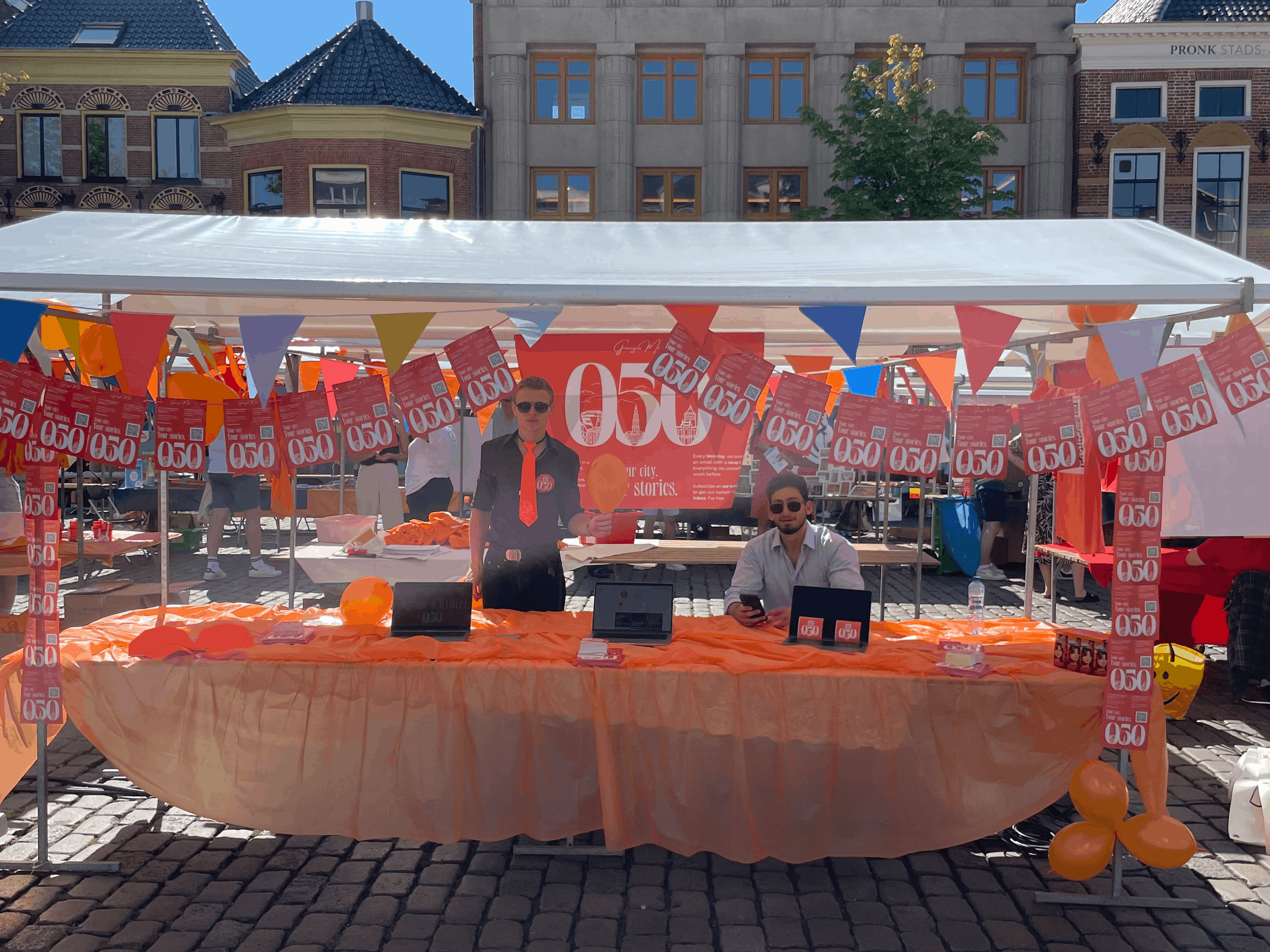
But that was the point. Contributors built portfolios they could use for their careers. Some were journalism or media students doing university projects in collaboration with us. We showed up at student stands, welcome weeks, university programs. And every one of those contributors became an ambassador for the brand. They told their friends. Their friends subscribed. Word of mouth became our most reliable acquisition channel.
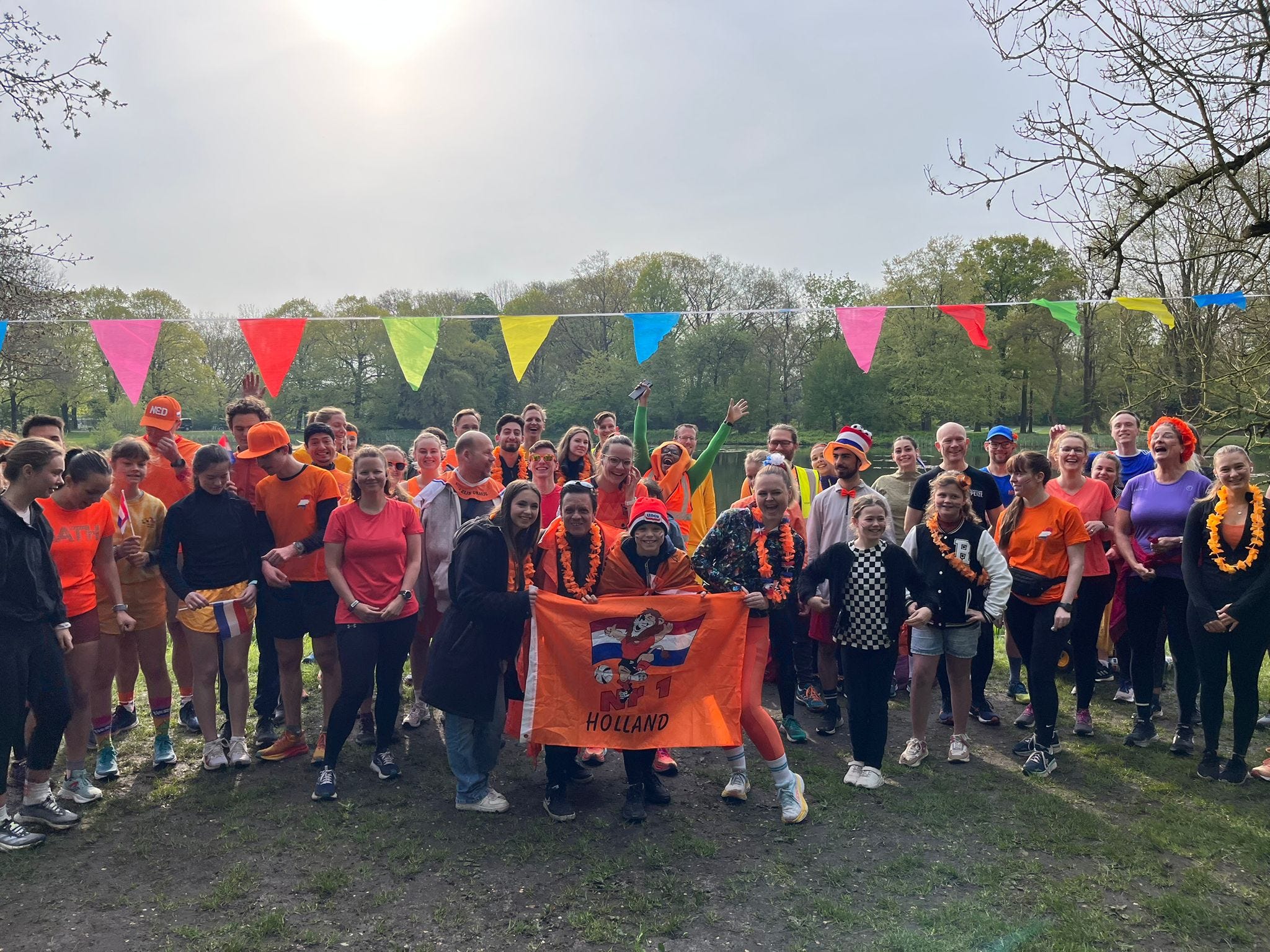
It wasn’t just student stands or contributor programs. We organized BBQs, networking events, pizza stands, and even run clubs. We ran this community-first model from the very beginning, and it has never stopped working.
